
Study and careerChampagne
How to pronounce Champagne names: Moët, Clicquot, Krug and more
How to say the great Champagne houses and growers, from Moët to Billecart-Salmon, with where each one is based and the one wine to know.
Updated October 2026
Rewritten by Alper Billik, Advanced Sommelier
3 min read
The short answer: Moët is “mo-ETT”, with the t spoken. Veuve Clicquot is “vuhv klee-KOH”. Krug is “kroog”. Taittinger is “tet-tan-ZHAY” in French. Below are the names a sommelier is asked about most, how to say them, where each house is, and the one wine to know.
Three rules that fix most names
- Final consonants are usually silent: Clicquot ends in “koh”, Ruinart in “nar”, Philipponnat in “nah”.
- Two dots over an e mean say it: the dots tell you to sound the e on its own, so Moët and Perrier-Jouët end in a spoken “ett”, t included.
- -er and -et at the end sound like “ay”: Roger is “ro-ZHAY”, Perrier is “pair-ee-AY”, Gosset is “go-SAY”.
The houses
| Name | Say it | Based in | One wine to know |
|---|---|---|---|
| Moët & Chandon | mo-ETT ay shahn-DOHN | Épernay | Impérial, its non-vintage brut |
| Dom Pérignon | dohm pay-ree-NYOHN | Épernay | Vintage only; named after the monk of Hautvillers |
| Veuve Clicquot | vuhv klee-KOH | Reims | La Grande Dame |
| Krug | kroog | Reims | Grande Cuvée, a blend of many years |
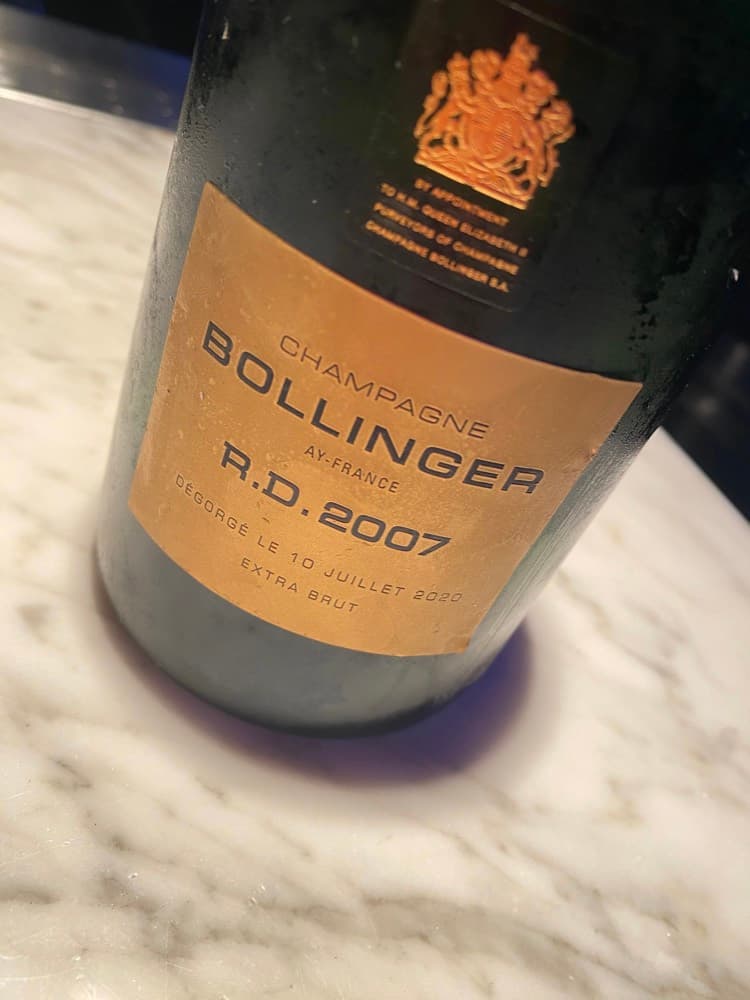
| Bollinger | boh-lan-ZHAY | Aÿ | La Grande Année; R.D. |
| Taittinger | tet-tan-ZHAY | Reims | Comtes de Champagne |
| Louis Roederer | loo-EE roh-duh-RAIR | Reims | Cristal |
| Pol Roger | pol ro-ZHAY | Épernay | Cuvée Sir Winston Churchill |
| Ruinart | rwee-NAR | Reims | Blanc de Blancs |
| Perrier-Jouët | pair-ee-AY zhoo-ETT | Épernay | Belle Époque |
| Laurent-Perrier | lo-RAHN pair-ee-AY | Tours-sur-Marne | Grand Siècle; Cuvée Rosé |
| Billecart-Salmon | beel-KAR sal-MOHN | Mareuil-sur-Aÿ | Clos Saint-Hilaire |
| Philipponnat | fee-lee-poh-NAH | Mareuil-sur-Aÿ | Clos des Goisses |
| Gosset | go-SAY | Épernay (founded in Aÿ) | Celebris |
| Pommery | pom-REE | Reims | Cuvée Louise |
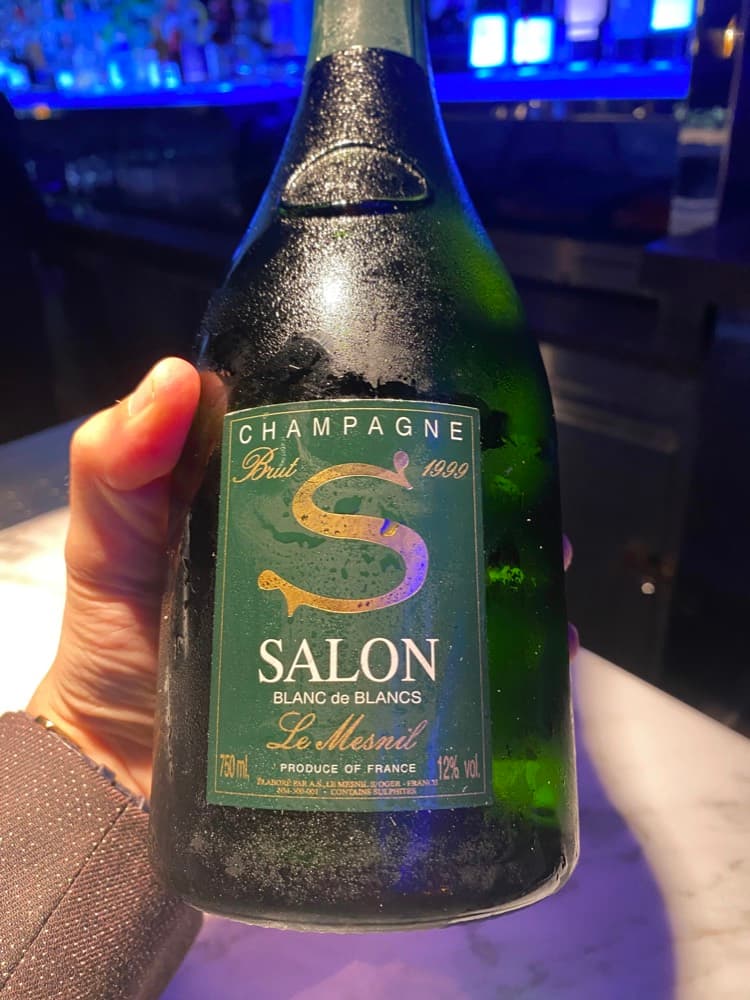
| Salon | sah-LOHN | Le Mesnil-sur-Oger | One wine only: a vintage blanc de blancs |
- Moët & Chandon
- Say itmo-ETT ay shahn-DOHN
- Based inÉpernay
- One wine to knowImpérial, its non-vintage brut
- Dom Pérignon
- Say itdohm pay-ree-NYOHN
- Based inÉpernay
- One wine to knowVintage only; named after the monk of Hautvillers
- Veuve Clicquot
- Say itvuhv klee-KOH
- Based inReims
- One wine to knowLa Grande Dame
- Krug
- Say itkroog
- Based inReims
- One wine to knowGrande Cuvée, a blend of many years
- Bollinger
- Say itboh-lan-ZHAY
- Based inAÿ
- One wine to knowLa Grande Année; R.D.
- Taittinger
- Say ittet-tan-ZHAY
- Based inReims
- One wine to knowComtes de Champagne
- Louis Roederer
- Say itloo-EE roh-duh-RAIR
- Based inReims
- One wine to knowCristal
- Pol Roger
- Say itpol ro-ZHAY
- Based inÉpernay
- One wine to knowCuvée Sir Winston Churchill
- Ruinart
- Say itrwee-NAR
- Based inReims
- One wine to knowBlanc de Blancs
- Perrier-Jouët
- Say itpair-ee-AY zhoo-ETT
- Based inÉpernay
- One wine to knowBelle Époque
- Laurent-Perrier
- Say itlo-RAHN pair-ee-AY
- Based inTours-sur-Marne
- One wine to knowGrand Siècle; Cuvée Rosé
- Billecart-Salmon
- Say itbeel-KAR sal-MOHN
- Based inMareuil-sur-Aÿ
- One wine to knowClos Saint-Hilaire
- Philipponnat
- Say itfee-lee-poh-NAH
- Based inMareuil-sur-Aÿ
- One wine to knowClos des Goisses
- Gosset
- Say itgo-SAY
- Based inÉpernay (founded in Aÿ)
- One wine to knowCelebris
- Pommery
- Say itpom-REE
- Based inReims
- One wine to knowCuvée Louise
- Salon
- Say itsah-LOHN
- Based inLe Mesnil-sur-Oger
- One wine to knowOne wine only: a vintage blanc de blancs
What to say about each, in one line
- Ruinart was founded in 1729 and calls itself the first Champagne house.
- Gosset traces its roots to 1584 in Aÿ, when the family made still wine; it moved to Épernay in 2009.
- Veuve Clicquot: “veuve” means widow. The house credits Madame Clicquot with the riddling table in 1816.
- Pommery launched Pommery Nature in 1874, the first brut Champagne to succeed commercially, according to the house.
- Laurent-Perrier, founded in 1812, makes its Cuvée Rosé by macerating Pinot Noir on its skins rather than blending in red wine.
- Bollinger R.D. stands for “récemment dégorgé”, recently disgorged: a vintage kept long on its lees and disgorged just before release.
- Krug makes two single-vineyard wines from walled plots: Clos du Mesnil (Chardonnay) and Clos d'Ambonnay (Pinot Noir).
- Salon makes a single wine, from Chardonnay in Le Mesnil-sur-Oger, and only in the years it chooses.
Growers worth knowing
| Name | Say it | Village | Known for |
|---|---|---|---|
| Jacques Selosse | zhahk suh-LOSS | Avize | Initial, a blanc de blancs |
| Egly-Ouriet | eg-LEE oo-ree-AY | Ambonnay | Pinot Noir from a Grand Cru village |
- Jacques Selosse
- Say itzhahk suh-LOSS
- VillageAvize
- Known forInitial, a blanc de blancs
- Egly-Ouriet
- Say iteg-LEE oo-ree-AY
- VillageAmbonnay
- Known forPinot Noir from a Grand Cru village
A grower makes Champagne from their own vines; a house buys grapes as well. The small letters on the label tell you which: see Champagne label codes.
Label words, said right
- Champagne: in French, “shahm-PAN-yuh”; in English, “sham-PAYN”. Both are fine at the table.
- Blanc de Blancs: “blahn duh BLAHN”. Blanc de Noirs: “blahn duh NWAHR”.
- Brut: “broot”. Cuvée: “koo-VAY”. Millésime: “mee-lay-ZEEM”.
- Aÿ: “ah-EE”. Reims: “rans”, with a nasal “an”. Épernay: “ay-pair-NAY”.
At the table
Say the name once, clearly, and then talk about the wine. If a guest says “Moe-ay” and orders it, pour it with a smile and never correct them. Nobody enjoys a glass more after a lesson. The name gets you to the bottle; the feeling is what they remember.
For the villages behind these names, see Champagne Grand Cru. For the whole region, see learning Champagne at every level. For Bordeaux names, see how to say the 1855 châteaux.
Questions people ask
How do you pronounce Moët?
“mo-ETT”, with the t spoken. The two dots over the e tell you to say it separately.
How do you pronounce Veuve Clicquot?
“vuhv klee-KOH”. Veuve means widow, after Madame Clicquot.
How do you pronounce Taittinger?
In French, “tet-tan-ZHAY”. Many English speakers say “TAT-in-jer”, and it will be understood.
Is Dom Pérignon a separate house?
It is the vintage-only prestige Champagne first launched by Moët & Chandon, named after the 17th-century monk of Hautvillers.
For sommeliers · next steps